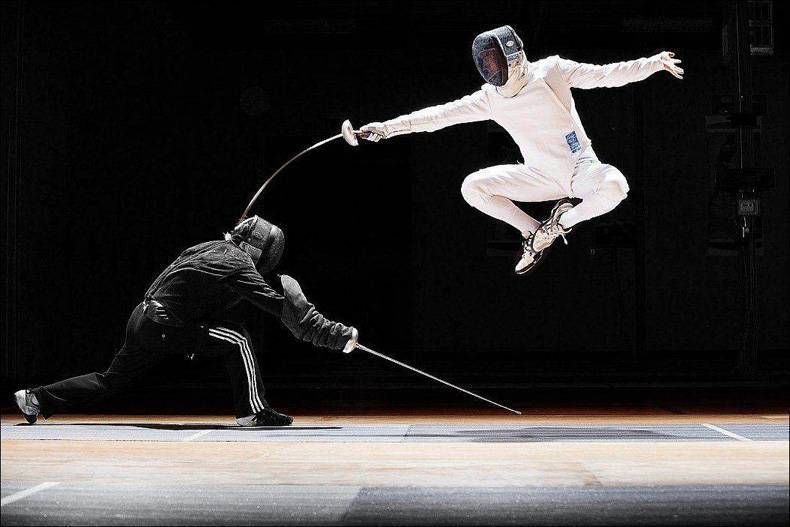
FENCING (ÉPÉE)
Why Fencing (Épée)?
1. Épée: The Chess of the Human Body
While many people know the sport of fencing, few realize it consists of different disciplines. At our club, we specialize exclusively in Épée—the purest and most tactical form of fencing, often described as "the chess of the human body."
In Épée, the entire body—from head to toe—is a valid target. Unlike other fencing weapons, there are no complex priority rules; the fencer who hits first scores. If both land a touch at the exact same time, both receive a point. This makes Épée a brilliant, fast-paced game of strategic patience, instant physical analysis, and lightning-fast execution.
2. The Ultimate Edge: From National Excellence to Elite US University Scholarships
Fencing Épée is far more than a sport; it is a premier investment in the future of both boys and girls.
- Reach the Highest Stage: The logical, tactical nature of Épée allows dedicated young athletes to rapidly advance to the highest levels of national and international competition.
- NCAA Scholarships at Top US Universities: Fencing is one of the most prestigious collegiate sports in the United States. Elite universities—including the powerhouse University of Notre Dame and Ivy League institutions like Harvard, Yale, and Columbia—boast varsity fencing teams. They actively award valuable athletic and academic scholarships (Scholarships) to standout Épée fencers, offering an exceptional world-class pathway for their academic and athletic future.
- Building Focus and Resilience: Because a split-second decision determines the point, athletes develop exceptional emotional intelligence, razor-sharp focus, and the confidence to perform under pressure.
3. Age Groups & Competitive Pathways
One of the best aspects of Épée fencing is its highly organized and fair competitive system. In the United States and internationally, official tournament circuits begin as early as under 8 years old, teaching kids independence and a competitive spirit from an early age.
The official tournament age divisions are structured as follows:

The Art of Épée
Moments of precision, speed, and tactical brilliance